Buying Guide
How to Choose the Right Winter Tires for Snow and Ice
Nov 15, 2026 · 5 min read
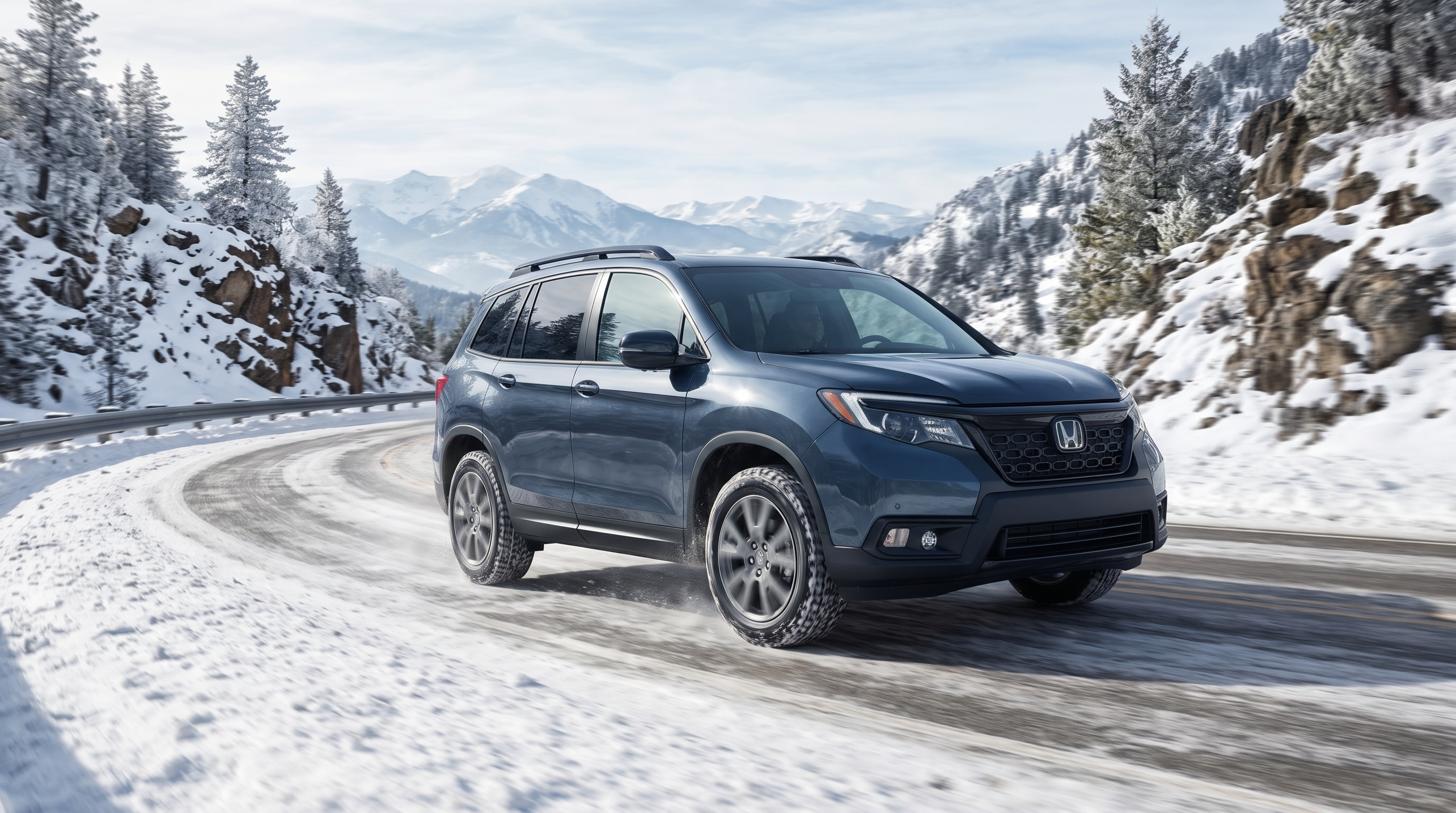
Learn when to switch to winter tires, what the Three-Peak Mountain Snowflake (3PMSF) symbol means, and how cold-weather rubber compounds keep you safe below 45°F.
How to Choose the Right Winter Tires for Snow and Ice
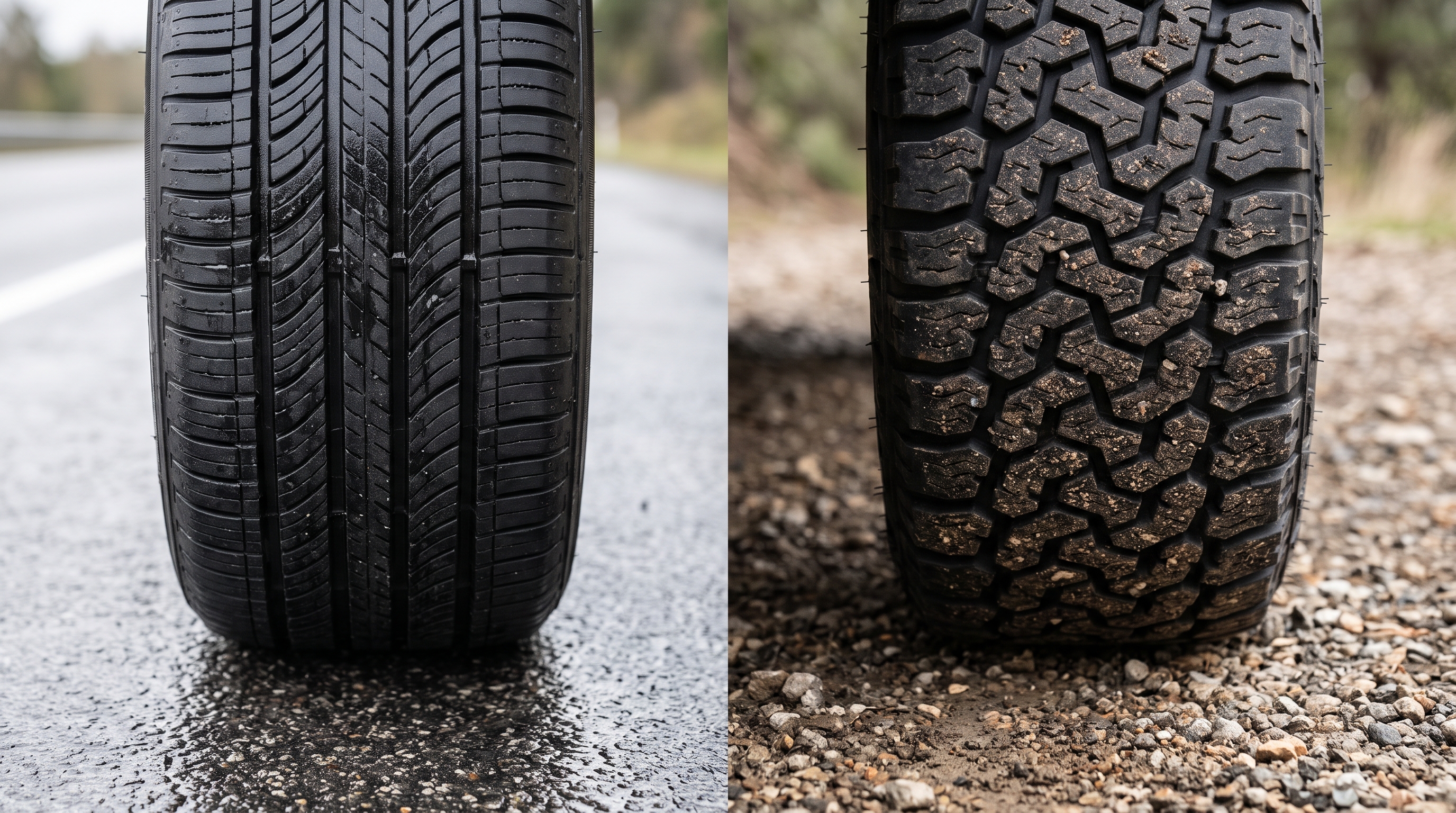
## Why Temperature Matters More Than Snow Many drivers assume winter tires are only necessary during heavy blizzards. In reality, standard all-season tire rubber begins to harden once temperatures consistently drop below **45°F (7°C)**, reducing traction even on dry pavement. Winter tires use specialized silica-rich compounds that remain pliable in freezing conditions. ## Look for the 3PMSF Symbol When shopping for true winter performance, check the tire sidewall for the **Three-Peak Mountain Snowflake (3PMSF)** icon. Unlike basic M+S (Mud and Snow) markings, 3PMSF certification guarantees the tire meets strict US and Canadian severe snow traction standards. ## Key Features to Compare Deep Siping: Thousands of tiny slits in the tread blocks bite into packed snow and wet ice. Wide Evacuation Grooves: Channel slush and freezing rain away from the contact patch to prevent hydroplaning.