Maintenance
When to Replace Your Tires: 5 Warning Signs Every Driver Should Know
Nov 15, 2026 · 5 min read

Spot worn tread, sidewall cracks, and uneven wear patterns early with our simple 5-point inspection checklist to maximize tire lifespan and braking safety.
When to Replace Your Tires: 5 Warning Signs Every Driver Should Know
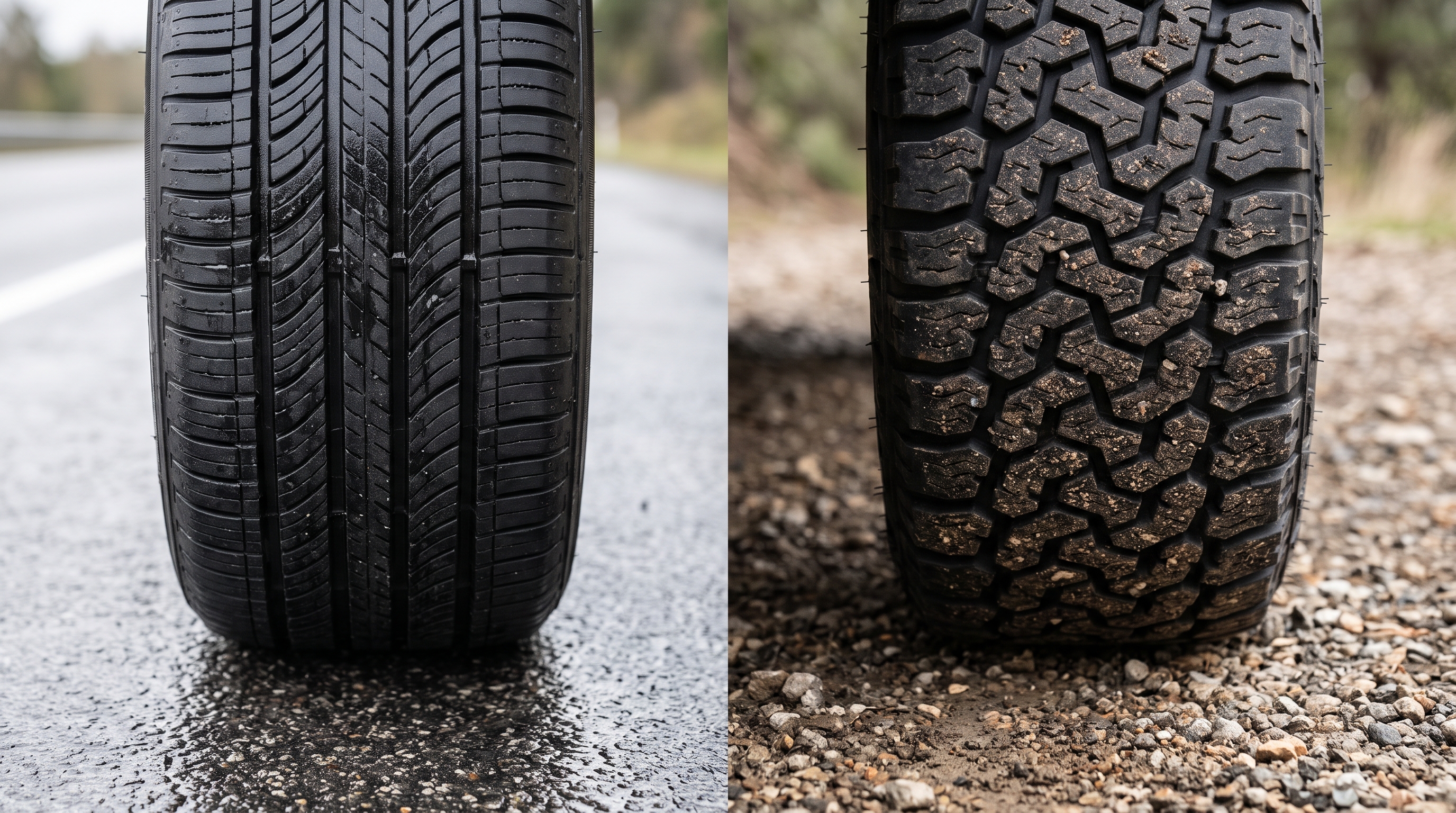
## 1. Tread Depth Drops Below 2/32" In the United States, tires are legally worn out when tread depth reaches 2/32 of an inch You can test this in seconds using the Penny: insert a US penny upside down into a tread groove. If you can see the top of Abraham Lincoln's head, it is time to replace your tires. ## 2. Visible Wear Indicator Bars Modern tires include molded rubber tread wear bars inside the main grooves. When the surrounding tread wears down flush with these bars, wet-weather stopping distances increase dramatically. ## 3. Sidewall Cracks, Bulges, or Bubbles Impact with potholes or curbs can damage internal belts, creating a raised bulge on the sidewall. Any tire showing bulges, deep cuts, or severe dry-rot cracking should be replaced immediately to prevent a highway blowout. ## 4. Uneven Edge or Center Wear * Center wear usually indicates chronic over-inflation. * Both outer edges worn points to under-inflation. * One-sided wear (feathering) signals misaligned wheels or worn suspension components. ## 5. Tire Age Exceeds 6 Years Even if plenty of tread remains, rubber compounds degrade over time due to heat and UV exposure. Inspect tires at 5 years and plan replacement around 6 to 7 years from the DOT manufacture date.